Queue Management System in Karachi: 2026 Retail & Logistics Guide
Karachi’s retail and logistics operators are scaling faster than their back-office processes can keep up with, and that gap shows up most visibly at two points: the checkout counter and the warehouse scanning station. A queue management system in Karachi paired with accurate barcode scanning hardware is quickly becoming the fix that growing businesses reach for first in 2026.
This guide covers why Karachi branches struggle with both customer flow and inventory accuracy, how the two problems are more connected than most managers realise, and what a practical rollout looks like for a multi-branch operation.
Two Bottlenecks, One Root Cause
Walk into a busy pharmacy chain, electronics retailer, or courier drop-off point in Karachi during peak hours and you will usually see the same two symptoms: a visibly long customer line, and staff manually keying in item codes because the handheld scanner they are using is slow, unreliable, or simply not fit for a high-volume floor.
Both symptoms trace back to the same root cause — outdated or mismatched technology at the point of transaction. Fixing only one side rarely produces the improvement management expects, because a fast queue still backs up if the counter itself is slow, and a fast scanner does not matter if customers never reach the counter in an orderly way.
Barcode Accuracy: Why Hardware Choice Matters More Than People Think
Global data standards bodies like GS1, which governs the barcode symbologies used across retail and logistics worldwide, note that scan accuracy at the point of capture is the single biggest determinant of downstream inventory accuracy. Inventory and checkout errors are rarely a training problem; they are usually a hardware problem. A scanner that struggles with damaged labels, low light, or long-range reads forces staff to manually retype SKUs, which slows every single transaction and introduces data entry mistakes that show up weeks later as inventory discrepancies.
What a Reliable Handheld Scanner Should Deliver
The Honeywell Voyager XP 1470g is built to handle exactly these failure points — fast first-pass reads on damaged or low-contrast labels, a durable build for drop-heavy warehouse environments, and wireless range that lets staff scan from several metres away without walking back to a fixed station. For a logistics hub processing hundreds of parcels an hour, that reliability translates directly into fewer manual overrides and faster throughput.
Fixing the Front of House: Structured Customer Flow
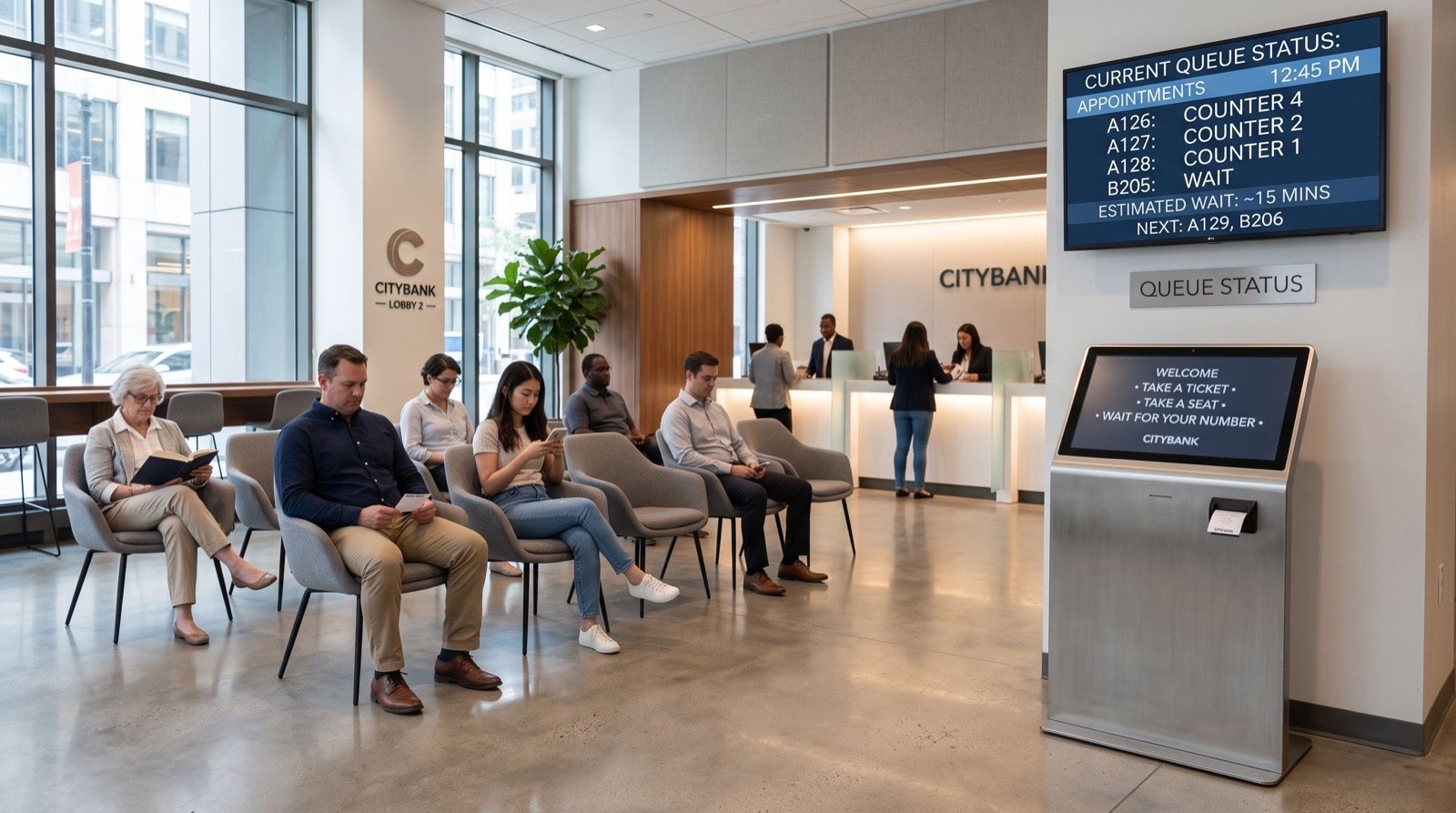
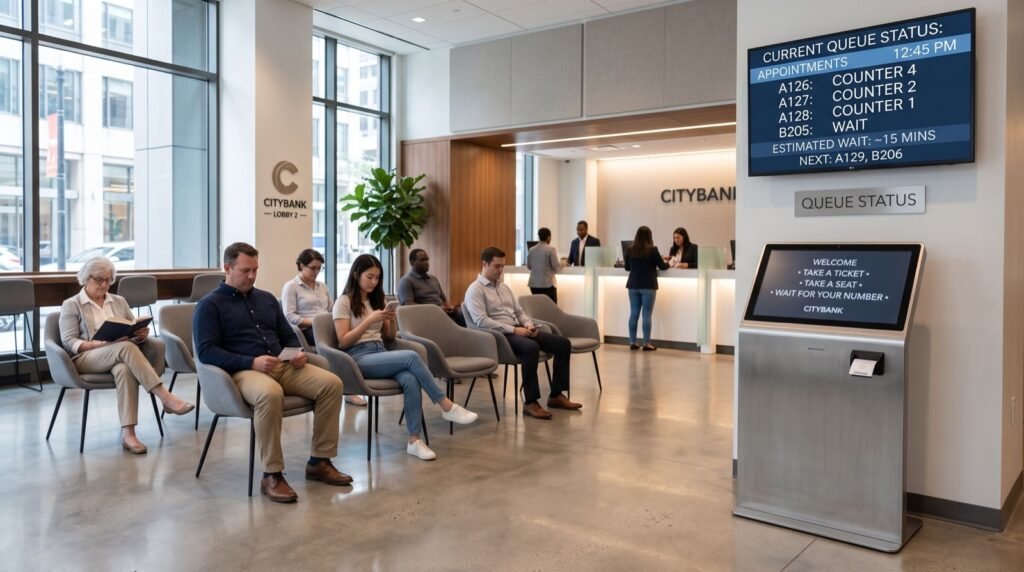
On the customer-facing side, a queue management system in karachi replaces the familiar scrum at the counter with a structured ticket-and-display setup. Customers see an estimated wait, staff see incoming volume before it becomes visible as a physical line, and managers get a data trail showing exactly which hours need an extra counter open.
- Entry kiosk or app-based check-in with category selection
- Live wait-time display visible from the waiting area
- Counter call system synced to available staff
- Daily and weekly analytics export for management review
Warehouse Scanning vs. Front-Counter Queueing: Where Each Pays Off
| Area | Primary Fix | Typical Result |
|---|---|---|
| Inventory receiving / warehouse floor | Fast, durable handheld scanner | Fewer manual overrides, accurate stock counts |
| Retail checkout counter | Reliable scanner + fast cashier flow | Shorter per-transaction time |
| Customer waiting area | Digital queue management | Lower abandonment, calmer floor |
| Multi-branch reporting | Centralised analytics dashboard | Faster, data-driven staffing decisions |
Rolling Out Across Multiple Karachi Branches Without Chaos
Businesses with several locations across Karachi often make the mistake of rolling out new hardware and queue software branch by branch with no shared standard, which leaves some locations faster than others and confuses regional staff transfers. A better approach is to pilot the combined setup — scanner plus queue kiosk — at one busy branch for two to four weeks, measure the actual improvement, then standardise the configuration before expanding.
Getting the Project Support Right
Technology rollouts of this scale also benefit from outside input beyond the hardware vendor. Businesses planning a wider digital overhaul alongside their physical operations often work with quality service providers who can advise on sequencing the technical and marketing sides of an expansion so neither effort stalls waiting on the other.
How Do You Know If the Rollout Is Actually Working?
Track three numbers before and after rollout: average scan attempts per item (should drop toward one), average customer wait time, and abandonment rate at the counter. If all three improve within the first month at your pilot branch, the configuration is ready to standardise across the rest of the network.
Training Staff on New Scanning and Queue Equipment
New hardware fails to deliver results almost as often because of poor onboarding as because of a bad product choice. Staff who are simply handed a new scanner without guidance tend to keep their old habits — angling the device awkwardly or re-scanning items twice “just to be sure” — which cancels out most of the speed gain the new hardware was bought to deliver.
A short, hands-on training session covering proper scan angle, distance, and what to do when a label is damaged pays for itself within the first week. Pair this with a quick-reference card at each station so new hires are not relying purely on memory during their first busy shift.
Handling Damaged or Unreadable Labels
Even the best scanner occasionally meets a label that is torn, faded, or printed poorly by a supplier. Staff need a clear, fast fallback procedure — typically a manual SKU lookup screen built into the point-of-sale or warehouse software — rather than guessing or skipping the item entirely, which is one of the most common sources of silent inventory drift.
Budgeting for Multi-Branch Technology Upgrades
Karachi operators with five or more branches should budget for a staggered rollout rather than a single large purchase. Spreading hardware purchases across two or three quarters not only eases cash flow but also gives the operations team time to incorporate lessons from the pilot branch into each subsequent wave, rather than locking in a configuration that still needs adjusting.
Frequently Asked Questions
How does a queue management system in Karachi differ from a simple numbered ticket machine?
A basic ticket machine only hands out numbers. A full queue management system adds live wait-time estimates, category-based routing, and analytics that show management exactly where and when bottlenecks form.
Will a better barcode scanner actually reduce customer wait times?
Yes, indirectly. A scanner with fast, accurate first-pass reads shortens every individual transaction, which has a compounding effect on the overall line length during peak hours.
How long should a pilot rollout run before expanding to other branches?
Two to four weeks is usually enough to capture at least one full peak cycle, including weekends, and gives management reliable before-and-after data.
Is this kind of upgrade worth it for a single-branch business?
Yes, though the payback period is faster for multi-branch or high-footfall operations. Even a single busy branch typically recovers the cost through reduced staff overtime and fewer inventory corrections within a few months.
Final Thoughts
A queue management system in Karachi paired with dependable barcode scanning hardware addresses the two most visible operational pain points at once — the line customers see and the inventory accuracy they never see but still feel through stockouts and pricing errors. Businesses that pilot the combination carefully before scaling tend to see the most durable results heading into 2026.