Solar Installation in Sialkot: A 2026 Workflow for a Clean, Profitable Switch
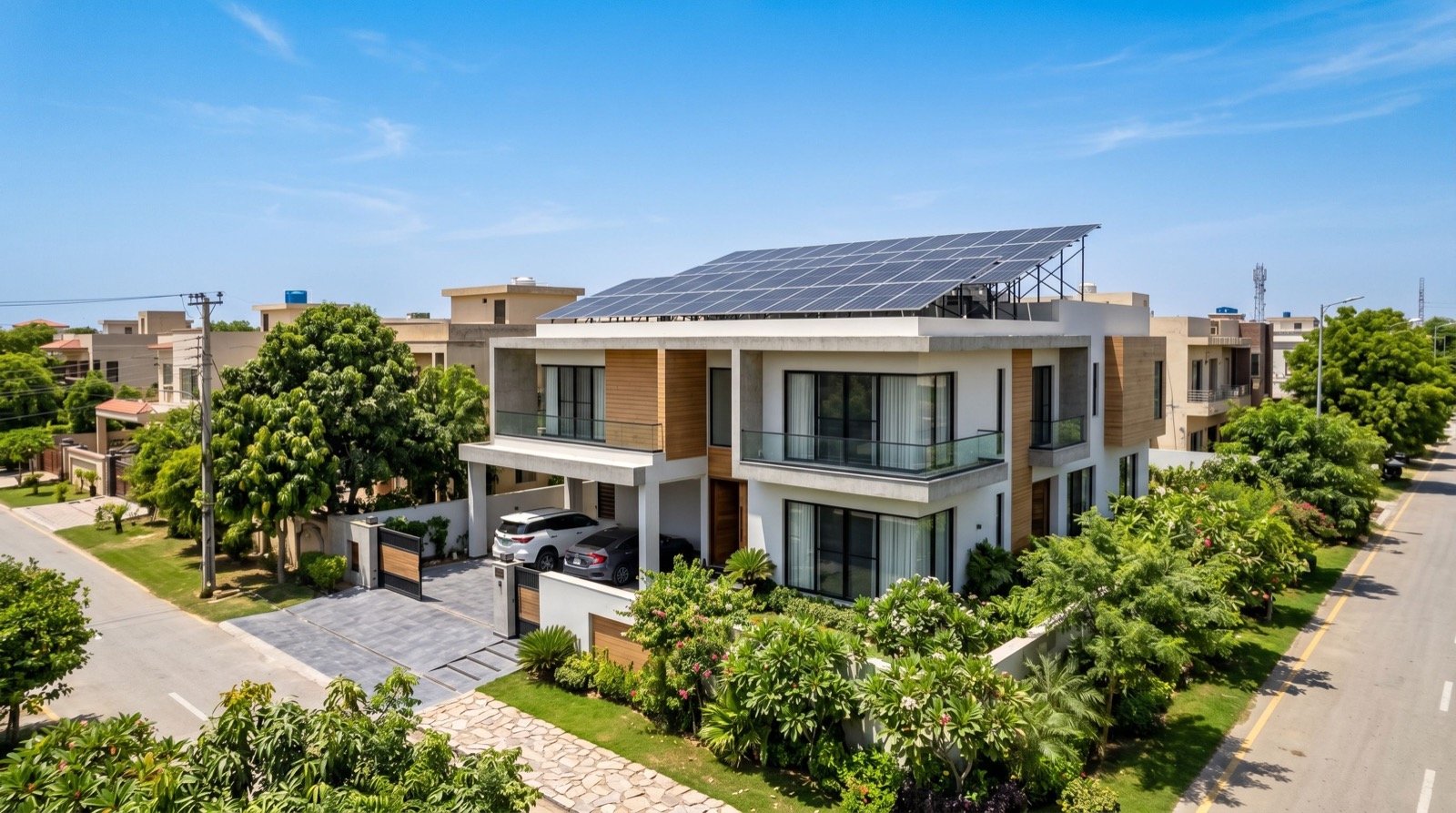
Booking a professional solar installation in Sialkot is no longer a luxury reserved for factories and large exporters. With grid tariffs climbing and load-shedding still eating into working hours, households and small businesses across the city are treating rooftop solar as core infrastructure. The challenge in 2026 is not whether to go solar, but how to run the project like a disciplined workflow so the system actually performs for the next 25 years.
This guide breaks the switch down into clear, repeatable stages. Think of it the way a project manager would: scope the site, size the system, qualify the installer, and verify the result. Done well, a solar project in Sialkot pays for itself and keeps paying long after the invoice is forgotten.
Why Solar Installation in Sialkot Makes Financial Sense Now
Sialkot sits in a belt that receives strong, consistent irradiation for most of the year. According to the National Renewable Energy Laboratory, Pakistan’s solar resource rivals that of leading solar markets, with many regions averaging over five peak sun hours per day. For a surgical-instruments or sports-goods workshop running daytime machinery, that daylight generation lines up almost perfectly with peak consumption.
The economics follow the sun. A well-designed rooftop array commonly offsets 60 to 90 percent of a daytime electricity bill, and net-metering lets you bank surplus units against evening usage. In practice, most quality residential systems in the city reach payback in roughly three to five years, after which the energy is effectively free aside from minor upkeep.
- Bill protection: insulate yourself from future tariff hikes and fuel-cost adjustments.
- Productivity: keep machines, fans, and cooling running through outages with a hybrid inverter and battery.
- Asset value: a documented, warrantied system raises the resale and rental appeal of a property.
- Carbon cut: a typical 10 kW home system avoids several tonnes of CO2 each year.
The Installation Workflow: Five Stages From Site to Switch-On
Treating the project as a workflow prevents the two most common failures: an undersized system that disappoints, and an oversized one that never earns back its premium. Follow these stages in order.
- Energy audit. Pull 12 months of bills and record your peak load. This sets the target system size in kilowatts.
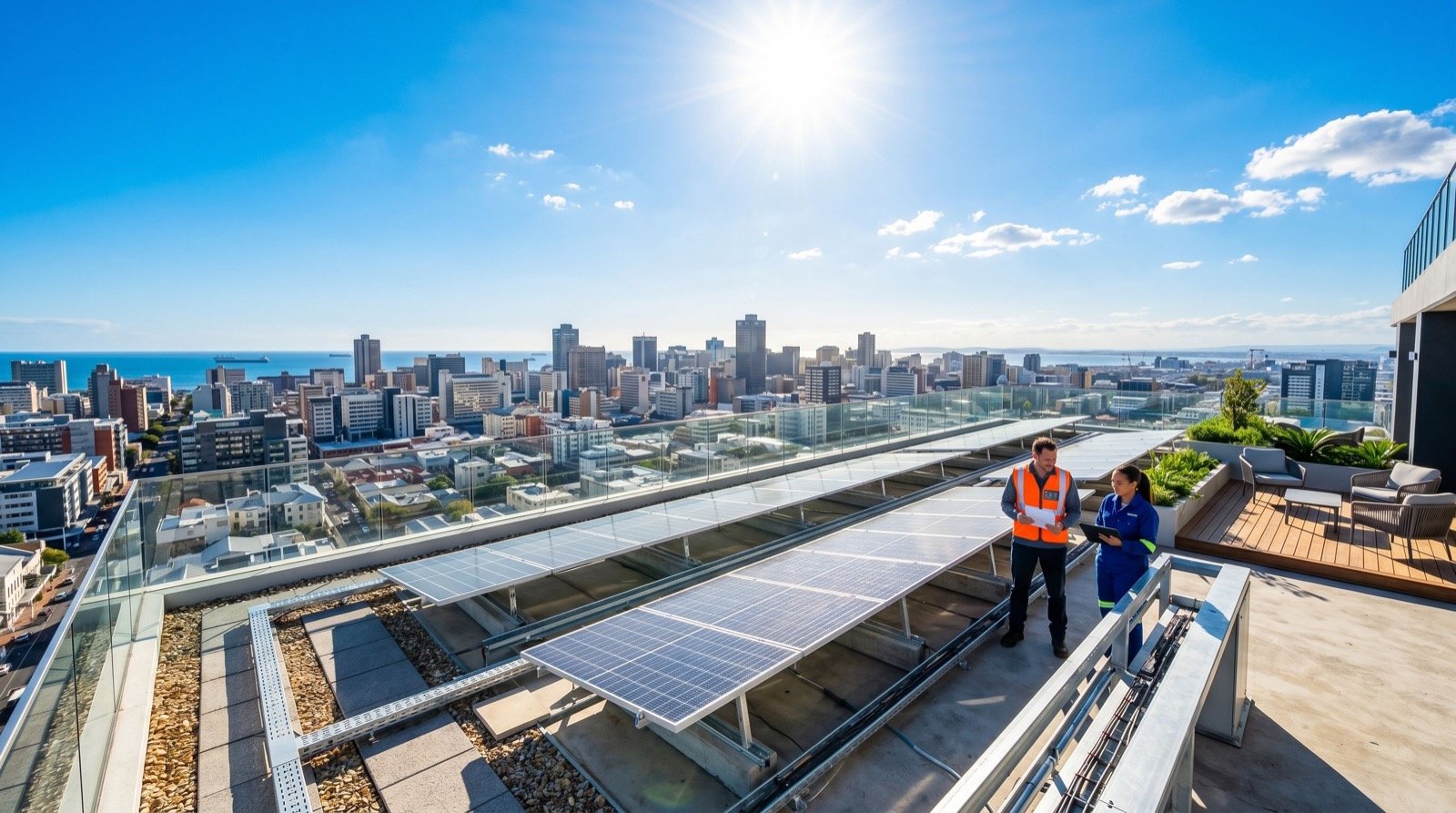
- Roof and shade survey. Confirm orientation, tilt, usable area, and structural condition. South-facing, shade-free space is gold.
- System design. Choose panel wattage, inverter type (on-grid, hybrid, or off-grid), and whether to add storage.
- Installation and wiring. Mounting, DC and AC runs, earthing, and surge protection are completed to code.
- Commissioning and net-metering. Test output, file the net-metering application, and hand over monitoring access.
At each gate, insist on documentation. A dependable installer behaves like the dependable specialists you would hire to move delicate equipment: methodical, insured, and accountable for the result rather than just the sale.
How Do You Choose the Right Solar Company in Sialkot?
The hardware matters less than the hands that install it. Panels from different tiers can look identical on a datasheet yet behave very differently once mounted on a hot rooftop in June. Use a short, strict checklist when comparing bids.
- Verified past installations you can visit or view on monitoring dashboards.
- Tier-1 panels and inverters with locally honoured warranties, not grey-market stock.
- Clear quotes that separate equipment, structure, wiring, and net-metering paperwork.
- A written performance estimate in kilowatt-hours, not just a headline kilowatt rating.
- After-sales service with a named contact and a response-time commitment.
Ask how the company handles the AEDB and distribution-company approvals. The Alternative Energy Development Board sets the framework for net-metering, and a seasoned installer manages that paperwork for you instead of leaving it on your desk.
Component Comparison: Matching the System to the Site
Not every rooftop needs the same configuration. The table below summarises how three common setups compare for a mid-sized Sialkot property in 2026.
| System type | Best for | Backup during outages | Relative cost |
|---|---|---|---|
| On-grid (net-metered) | Daytime-heavy homes and workshops | No | Lowest |
| Hybrid with battery | Frequent load-shedding, mixed usage | Yes | Medium to high |
| Off-grid | Remote sites with no reliable grid | Yes | Highest |
For most urban customers, a net-metered on-grid system delivers the fastest payback, while a hybrid adds resilience for those who cannot afford downtime. The city you live in also shapes the economics: a comparable solar panels in Quetta project benefits from even higher irradiation and cooler air, which can lift annual yield compared with the humid Punjab plains.
Maintenance: Protecting Your Return for 25 Years
Solar is low-maintenance, not no-maintenance. Dust, bird droppings, and seasonal haze can shave output by a measurable margin if panels are never cleaned. A light rinse every few weeks in dry months, plus an annual inspection of connectors and mounting bolts, keeps generation near its design curve.
Modern monitoring makes this easy. A good inverter app flags underperforming strings before you ever notice a higher bill, turning maintenance into a quick, data-driven task rather than guesswork. Keep your commissioning report and warranty cards filed; you will want them if a panel ever needs replacement under warranty.
Frequently Asked Questions
How much does a solar installation in Sialkot cost in 2026?
Residential systems are usually priced per kilowatt installed. A typical 5 to 10 kW home system falls in a mid-range band once panels, inverter, structure, wiring, and net-metering are included. Hybrid systems with batteries cost more because of the storage, but they add outage protection that many families value highly.
How long does the installation take?
The physical work on a standard rooftop is often completed in two to four days. The longer wait is usually the net-metering approval, which can take a few weeks depending on your distribution company and how promptly the paperwork is filed.
Will solar work during Sialkot’s cloudy or foggy spells?
Yes, though at reduced output. Panels still generate from diffuse light on overcast days, just at a lower rate. Annual production is what matters, and the many bright days across the year more than compensate for occasional dull weather.
Do I need a battery to benefit from solar?
No. A net-metered on-grid system saves money without any battery by exporting surplus daytime units. Batteries are worth adding only if backup power during outages is a priority for your home or business.
The Bottom Line
A successful solar installation in Sialkot comes down to discipline: audit honestly, size carefully, vet your installer, and verify the output. Treat the project as a workflow with clear checkpoints and you will land a system that trims bills from day one and keeps delivering well into the 2040s. When you are ready to scope your roof, start with a reputable local provider, get a performance-based quote in kilowatt-hours, and lock in your net-metering before the next tariff revision lands.