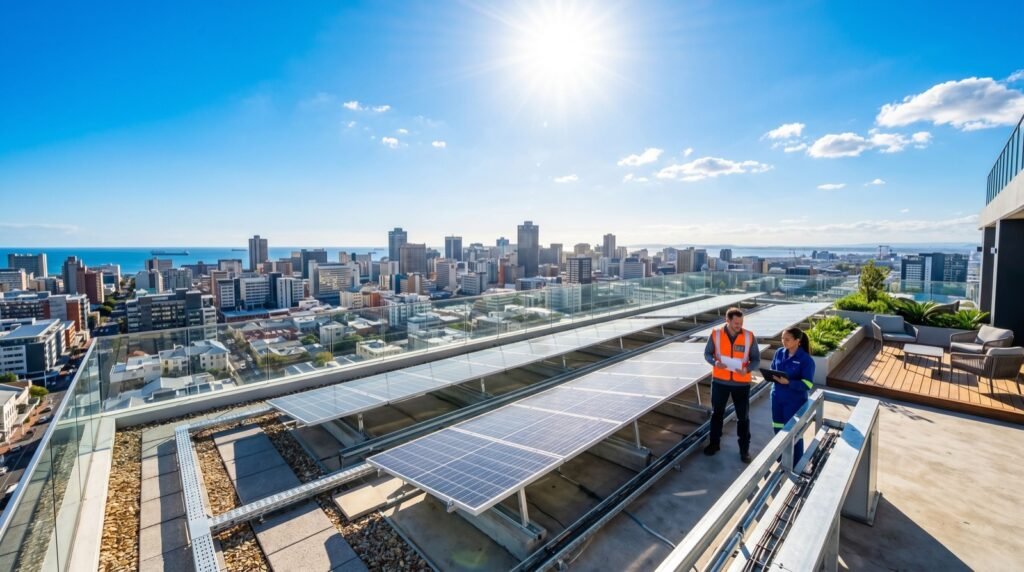
Beat Load-Shedding for Good: Solar Panels in Pakistan Explained
Load-shedding steals productivity, spoils food, and ruins sleep. For millions of households the fix is no longer a noisy generator but a quiet rooftop array. If you plan to buy solar panels in Pakistan to finally escape the outage cycle, this guide explains the panel technology, the backup setup, and the design choices that keep your lights on when the grid goes dark.
We will skip the hype and focus on what actually keeps power flowing: the right panel type, honest capacity planning, and storage that survives daily cycling.
Why Solar Beats a Generator for Outages
A generator burns expensive fuel, needs servicing, and only runs while you feed it. Solar with storage charges itself every sunny day and switches over silently in milliseconds. Over a year the fuel savings alone often cover a large slice of the system cost, and you lose the noise and fumes entirely.
The trade-off is upfront investment and a bit of planning. Get the design right and you gain near-continuous power; get it wrong and you are back to candles during a long cloudy spell.
What Keeps the Power On During an Outage?
Three components work together: panels that generate, a hybrid inverter that manages the switchover, and batteries that store the surplus. Miss any one and your backup fails exactly when you need it. Sizing the battery bank to your evening load is the step most people underestimate.
Monocrystalline vs Polycrystalline vs Bifacial
Not all panels are equal. The cell technology affects how much roof you need and how well the array performs in Pakistan’s heat and haze.
| Panel Type | Efficiency | Best For |
|---|---|---|
| Monocrystalline | High (20–22%) | Limited roof space, maximum output |
| Polycrystalline | Moderate (16–18%) | Tight budgets with ample roof |
| Bifacial | High + rear gain | Flat roofs and reflective surfaces |
In 2026 most quality installs use high-efficiency monocrystalline panels because roof space is the real constraint for urban homes. When you buy solar panels in Pakistan, ask for the exact cell type, wattage, and temperature coefficient rather than accepting a generic “550W panel” label.
Why the Temperature Coefficient Matters Here
Panels lose output as they heat up, and Pakistani summers are brutal. A lower (better) temperature coefficient means less lost power on a 45°C afternoon. The National Renewable Energy Laboratory publishes extensive research on how heat and irradiance affect real-world yield, which is worth reviewing before you compare quotes.
Sizing Storage for a Full Night
Your battery bank must carry your evening and overnight load until the sun returns. Follow a simple method.
- Add up the watt-hours used from sunset to sunrise.
- Divide by the battery’s usable depth of discharge.
- Add a margin for cloudy days and future loads.
- Confirm the inverter can charge that bank within daylight hours.
Lithium storage suits daily cycling far better than lead-acid because it tolerates deep, frequent discharge without rapid degradation. Reliable solar batteries in Pakistan paired with a smart hybrid inverter give you seamless backup that the family barely notices.
Common Design Mistakes During Outages
- Buying panels but skimping on battery capacity, so backup dies by 10 pm.
- Mixing old and new batteries, dragging the whole bank down.
- Ignoring shading from water tanks and parapet walls.
- Choosing an inverter with a slow transfer time that resets electronics.
These are exactly the pitfalls that trusted professionals catch during a proper site survey, long before the system is installed.
Maintenance That Protects Your Backup
Clean panels every few weeks during dusty months, keep battery terminals tight, and review inverter logs for faults. A ten-minute monthly check preserves the backup you paid for and prevents nasty surprises during a heatwave.
Grid-Tie, Off-Grid, or Hybrid for Outage Protection?
The topology you choose decides whether the lights stay on. A plain grid-tie system is cheapest and great for cutting bills, but it legally shuts down during an outage to protect line workers, so it offers zero backup. That surprises many first-time buyers.
An off-grid system runs entirely on panels and batteries, ideal for farms and remote sites with no reliable connection, but it needs generous storage to cover cloudy spells. A hybrid system is the sweet spot for most Pakistani towns: it exports surplus under net metering by day and seamlessly powers your home from batteries the instant the grid fails.
Designing Around Your Evening Peak
Outages rarely respect your schedule, but your heaviest usage usually clusters in the evening when fans, lights, TVs, and the fridge all run together. Size your battery bank and inverter around that evening peak, not your average daily figure, or the system will struggle exactly when demand is highest.
Map out a worst-case evening: a hot night with the grid down, air conditioning running, and the family home. If your design carries that scenario comfortably, every ordinary night becomes effortless. Leave a little headroom for future appliances so you are not redesigning in two years.
Phasing Your Investment
You do not have to buy everything at once. Starting with a hybrid inverter and a modest panel array lets you cut bills immediately, then expand storage as your budget allows. Because the hybrid inverter already supports batteries, each upgrade simply slots in without ripping out what you installed first.
Frequently Asked Questions
How many panels do I need to beat load-shedding?
It depends on your daytime load and how much you must store for the night. A typical mid-size home needs a 5–6 kW array plus a battery bank sized for the evening peak.
Can solar run my whole house during an outage?
Yes, with a correctly sized hybrid system and enough battery capacity. Many homeowners instead back up essential circuits to keep costs reasonable while still covering fans, lights, and the fridge.
Which panel type is best for Pakistan’s heat?
High-efficiency monocrystalline panels with a low temperature coefficient perform best in extreme heat, holding more of their rated output on scorching afternoons.
How long do solar batteries last?
Quality lithium batteries last 8–12 years or several thousand cycles when sized and charged correctly, far outlasting typical lead-acid banks under daily use.
Take Control of Your Power
Beating load-shedding is no longer wishful thinking. When you buy solar panels in Pakistan with the right cell technology, pair them with properly sized lithium storage, and design around your real overnight load, outages simply stop mattering. Book a professional site survey, get a design tailored to your roof, and switch to power you control, day and night.